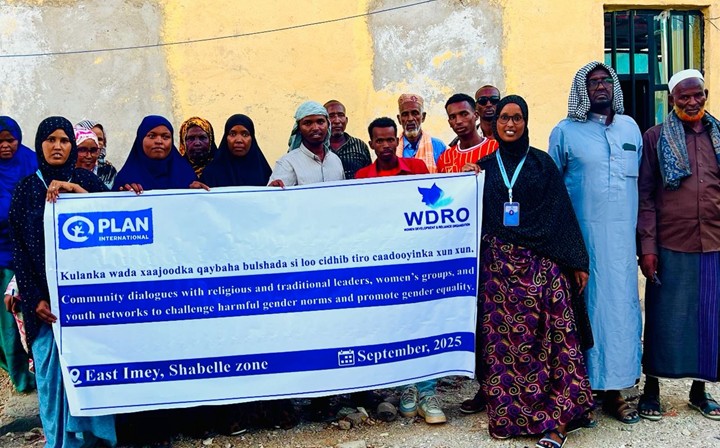
The community dialogue facilitated with religious and traditional leaders, women’s groups, and youth networks focused on addressing harmful gender norms that persist within the community. The facilitator presented a comprehensive overview of how these norms negatively impact individuals and society at multiple levels. Participants actively engaged in the discussion, highlighting the challenges posed by these harmful practices on personal well-being, social relations, economic opportunities, and the overall development of the community. The dialogue created a space for open reflection on the deep-rooted nature of these norms and their far-reaching consequences.
Through collaborative discussion, the participants collectively identified practical measures to combat harmful gender norms and promote gender equality. Agreement was reached on the importance of sustained community education, active involvement of religious and traditional leaders as change agents, and empowering women and youth as catalysts for transformation. These actions are expected to enhance awareness, reduce stigma, and encourage equitable participation in social and economic activities. The commitment expressed by all parties signals a strong foundation for ongoing community-led efforts to challenge and dismantle harmful gender practices. A total of 20 participants (9 F and 11 M) attended the session. Participants were carefully selected from the community sectors like religious and traditional leaders, women groups and youth networks.
Disability inclusion
WDRO made deliberate efforts to ensure the inclusion of people with disabilities in its programs and operations. Out of the total number of beneficiaries reached,10% were individuals with disabilities, reflecting a commitment to addressing their unique needs and promoting equitable access to services. These beneficiaries were provided with tailored support, including assistive devices, livelihood opportunities, and access to protection services, ensuring their meaningful participation and empowerment.
The disability inclusion underscored WDRO’s dedication to leaving no one behind by prioritizing accessibility and inclusivity in program design and implementation. Feedback from participants highlighted the positive impact of these interventions in enhancing their independence, dignity, and overall well-being. Moving forward, WDRO will continue to strengthen its efforts to identify and reach more persons with disabilities, ensuring their full inclusion in all future activities
Gender inclusion
WDRO proudly employs a workforce where more than 90% of the staff are female, reflecting its strong commitment to women’s empowerment and gender equality. This high representation of women within the organization not only promotes diverse perspectives and inclusive decision-making but also serves as a powerful model of female leadership and participation in community development and social welfare. By prioritizing women’s employment, WDRO leverages women’s unique insights and experiences to effectively address gender-based violence and other social issues, strengthening its mission to empower women and girls at all levels.
Leave a Reply