This activity aimed to identify existing services, address gaps, and enhance collaboration among actors involved in GBV prevention and response.
The process involved conducting key informant interviews, focus group discussions, and stakeholder consultations with service providers, community leaders, and local authorities. Through this participatory approach, detailed information was collected on the availability, accessibility, and capacity of services such as health care, psychosocial support, legal assistance, and protection services.
Based on the findings, stakeholder-specific referral pathways were developed to clearly illustrate how survivors can access services in a safe, timely, and confidential manner. These referral pathways define each actor’s role and responsibilities, providing a structured and survivor-centered framework for service coordination.
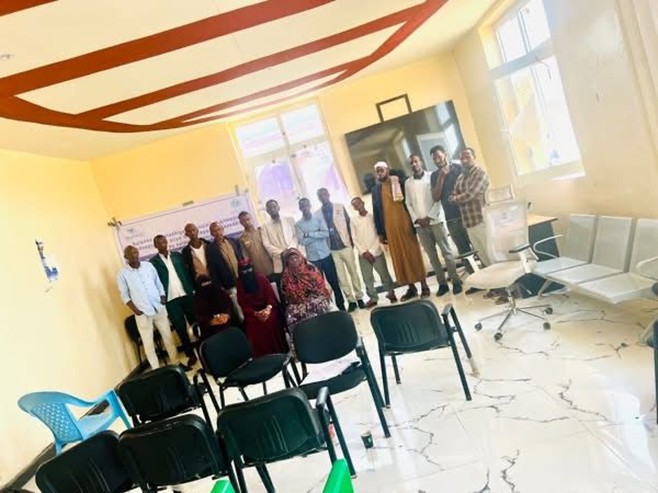
The service mapping findings and draft referral pathways were presented during a validation workshop with all relevant stakeholders. This workshop allowed for review, feedback, and endorsement, ensuring shared ownership and a common understanding of the referral process. As a result, a clear, functional, and collaborative referral system is now in place, improving coordination and ensuring survivors of GBV receive the support they need efficiently and respectfully.
Leave a Reply